With severe cold and potential freezing rain forecasted for DFW this weekend, your landscape needs immediate attention. We break down why leaving leaves on the ground is dangerous during a freeze and how fresh mulch can save your plant’s roots.
The Texas Winter Rollercoaster Continues
If you’ve lived in DFW for more than a year, you know the drill: 65 degrees and sunny one day, freezing rain and heavy coats the next. The forecast for the end of this week is calling for severe cold and potential freezing rain. While we’re all rushing to wrap outdoor faucets and cover the pool equipment, it’s easy to overlook the landscape.
However, a freeze—especially one involving ice—can do significant damage to your turf and shrubs if they aren't prepared. Here is how we recommend handling your lawn maintenance leading up to the storm.
1. The Critical Importance of Leaf Cleanups
If you still have leaves on your lawn, getting them up before the freezing rain hits is your number one priority.
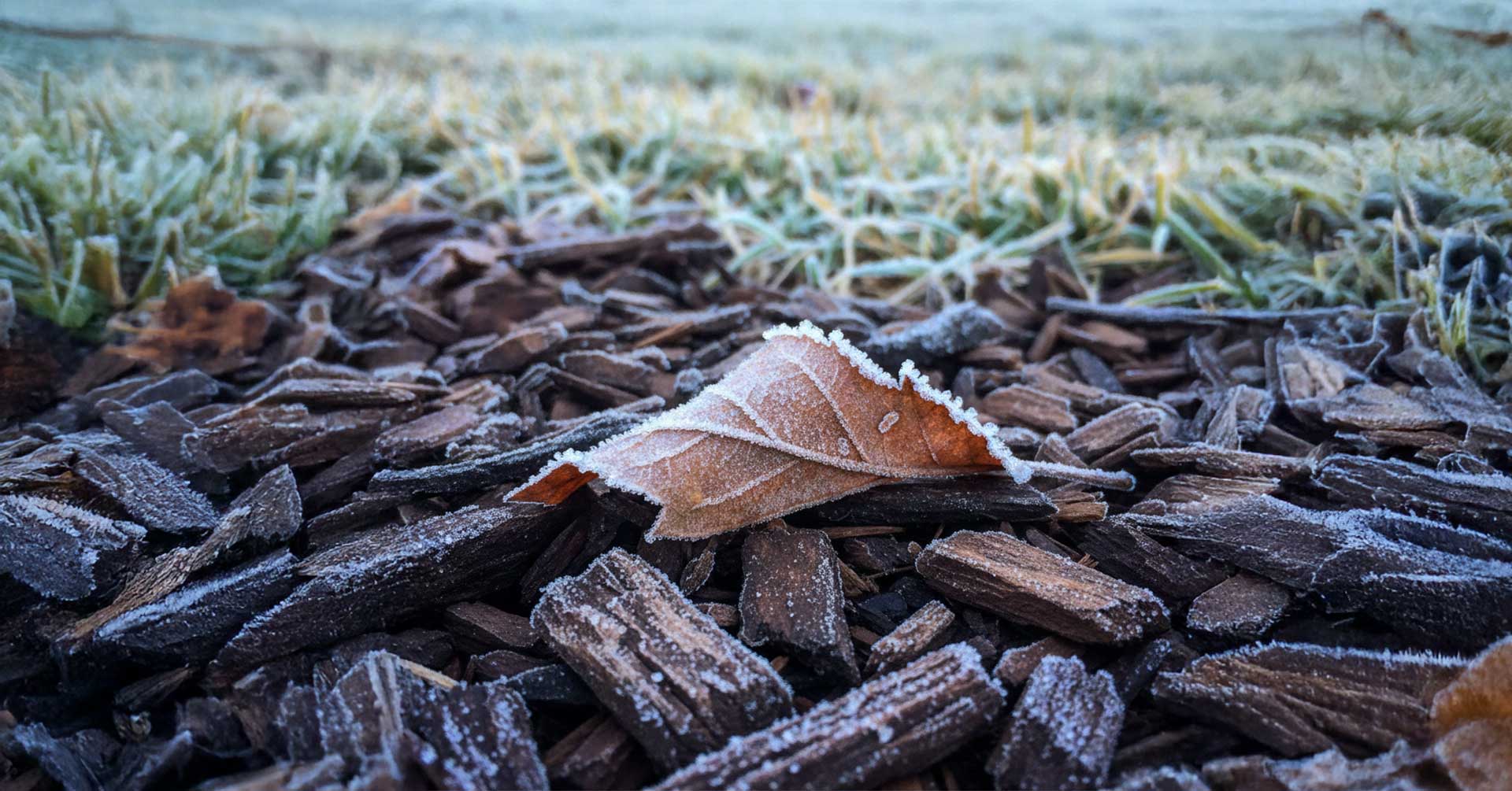
Dry leaves are an annoyance; wet, frozen leaves are a hazard to your grass. When freezing rain hits a layer of leaves, it glues them together into a solid, impenetrable mat. This "ice sheet" suffocates the turf underneath, locking in excess moisture and creating the perfect breeding ground for fungal diseases like brown patch once the thaw comes.
The Strategy: perform a final cleanup or a vacuum mow to ensure the turf can breathe during the freeze.
2. Mulch: Your Landscape’s Insulator
Mulch is often treated as aesthetic, but in January, it’s functional. A fresh layer of mulch acts as a heavy insulating blanket for the root systems of your shrubs and flower beds.
The soil in North Texas can freeze solid during sustained cold snaps. If your beds are bare, the roots of your expensive landscape plants are exposed to that plummeting temperature. A 2-to-3-inch layer of hardwood mulch regulates the soil temperature, keeping the roots just warm enough to survive the shock of the air temperature dropping.
3. To Trim or Not to Trim?
This is a common question we get at Mowing Best before a storm.
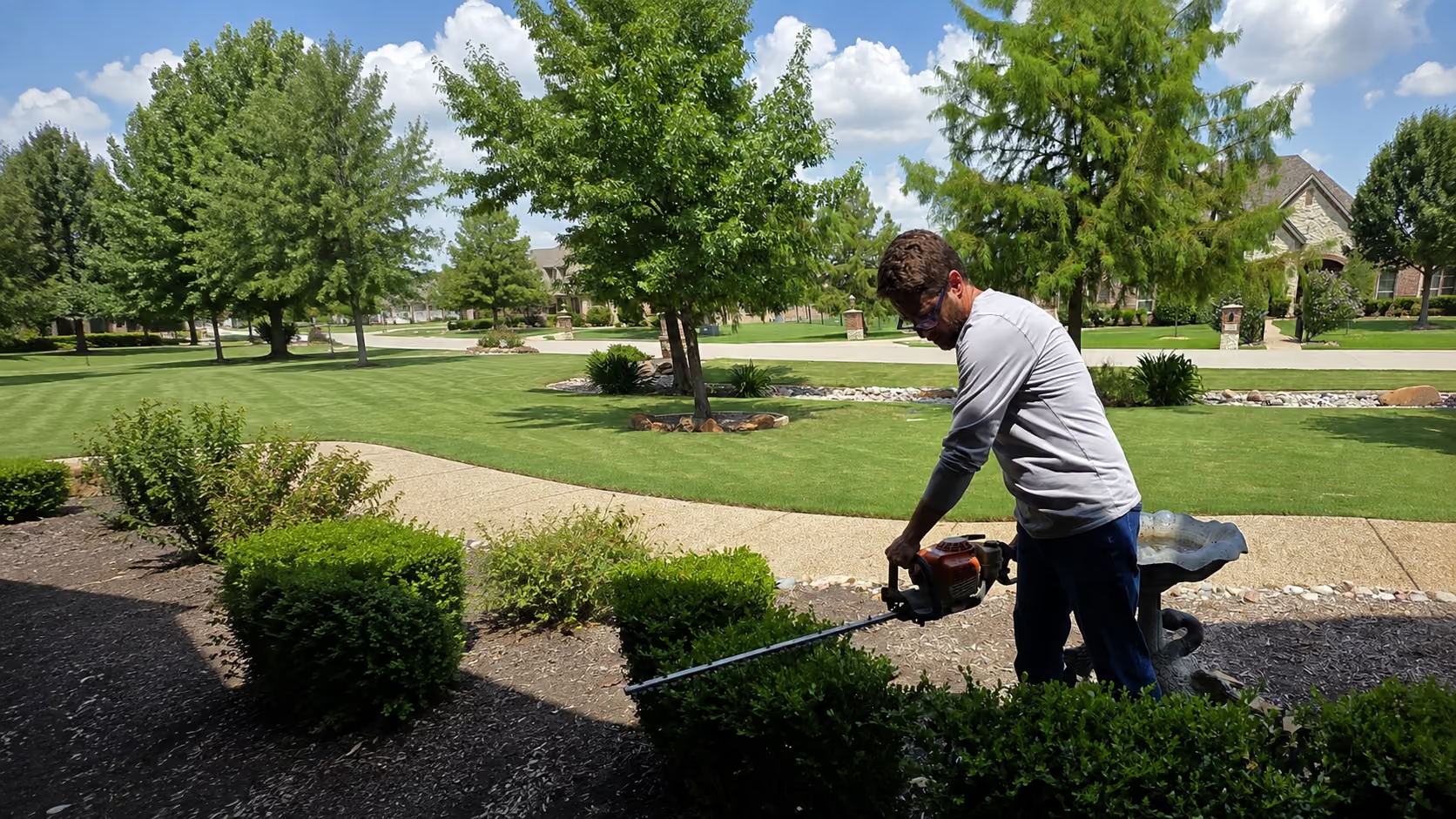
- Do: Remove dead or structurally weak branches. Ice is heavy, and it will find the weak points in your shrubs and trees. removing them now prevents them from snapping and falling on your property.
- Don't: Perform heavy "rejuvenation" pruning on live plants right before a hard freeze. When you cut a live branch, you leave an open "wound." If that wound is immediately exposed to sub-freezing temperatures, it can cause die-back down the stem. It is often better to wait until the deep freeze passes to do aggressive shaping.
With freezing rain in the forecast before the snow, the weight on your branches will be significant. Removing weak limbs now prevents them from snapping under the ice load.
4. The "Winter Mow" Height
If you are mowing this week, do not scalp the lawn. We want to leave the grass slightly higher than usual. That little bit of extra canopy length helps insulate the crown (the base) of the grass plant from the direct bite of the frost.
Stay Warm, DFW
The best offense is a good defense. By getting the leaves up and the mulch down, you’re giving your landscape the best chance to wake up green and healthy when spring finally decides to stick around.
Stay safe and stay warm!